
Moving Into a JLT Tower in 2026: High-Rise Checklist
Jumeirah Lake Towers is one of Dubai’s most densely packed high-rise clusters, with more than 80 towers wrapped around a chain of man-made lakes. That density is great for lifestyle and transport links, but it creates a very specific moving-day problem: every tower runs its own freight-lift schedule, loading-bay rules, and visitor parking policy, and getting any one of them wrong means your truck sits idle while the meter — and your patience — runs down.
This 2026 checklist is built specifically around high-rise moving in JLT, not generic apartment-moving advice, because towers behave very differently from villas or low-rise buildings once you’re actually trying to get a sofa through a service corridor.
Why Do JLT Moves Need Special Planning?
Three structural realities define a JLT move. First, nearly every cluster (JLT is organised into lettered clusters, A through W) has its own loading bay with limited truck bays shared across dozens of towers. Second, freight lifts are almost always separate from passenger lifts and must be booked through building management, often 24–48 hours ahead. Third, parking for the moving truck itself can be the tightest bottleneck of the whole day, especially near Cluster C, F, and Y where ground-floor retail eats into loading space.
Crews unfamiliar with JLT’s cluster layout frequently lose 30–60 minutes just locating the correct loading bay entrance for a specific tower, since Google Maps pins aren’t always accurate for the internal cluster roads. JLT’s master community authority, DMCC, maintains the official cluster map and building directory that most freight-lift bookings reference.
Freight Lift Booking: The Step Nobody Should Skip
Almost every JLT tower management office requires a written freight-lift request with your move date, estimated duration, and company details. Submit this at least two business days before moving day — same-day requests are routinely refused during busy months.
A Practical JLT Move-Day Timeline
Here’s a realistic hour-by-hour structure for a 2-bedroom JLT apartment move, based on how experienced crews sequence the day.
- 7:30–8:00 AM: Truck arrives, crew checks in with building security and confirms the freight-lift booking.
- 8:00–8:30 AM: Loading bay access confirmed; first items move via freight lift.
- 8:30–11:30 AM: Main loading phase — furniture, boxes, appliances.
- 11:30 AM–12:00 PM: Final sweep of the unit, meter readings, key handover.
- 12:00–1:00 PM: Transit to new address.
- 1:00–3:30 PM: Unloading and placement at destination, repeating the freight-lift process in reverse.
Working with an operator that already knows which JLT towers are strict about these windows saves real time. Teams offering dedicated movers and packers in Jumeirah Lake Towers typically have this tower-by-tower knowledge baked into how they schedule the day, rather than learning it on the spot.
Tower-by-Tower Quirks Worth Knowing
Not every JLT cluster behaves the same way, and a bit of local knowledge prevents avoidable delays.
| Cluster Area | Loading Bay Access | Typical Freight Lift Wait |
|---|---|---|
| Cluster A / B (near Metro) | Moderate — shared bay with retail deliveries | 15–30 min |
| Cluster F / G (lakeside) | Tighter — single-lane access road | 20–40 min |
| Cluster V / W (Al Thanya St side) | Easier — dedicated service road | 10–20 min |
| Cluster C / Y (retail-heavy) | Congested — limited truck bays | 30–50 min |
Choosing a Mover Who Actually Knows JLT
Ask any prospective mover two direct questions: do they have experience with your specific cluster, and do they handle the freight-lift booking communication themselves or leave it entirely to you? A company that proactively manages both saves you a significant amount of back-and-forth with building management.
A brand like Best Mover Dubai that works across multiple JLT clusters regularly will usually have existing relationships with building management offices, which can meaningfully speed up approval for your freight-lift slot compared to a first-time request from an unfamiliar company.
Packing Tips Specific to High-Rise Moves
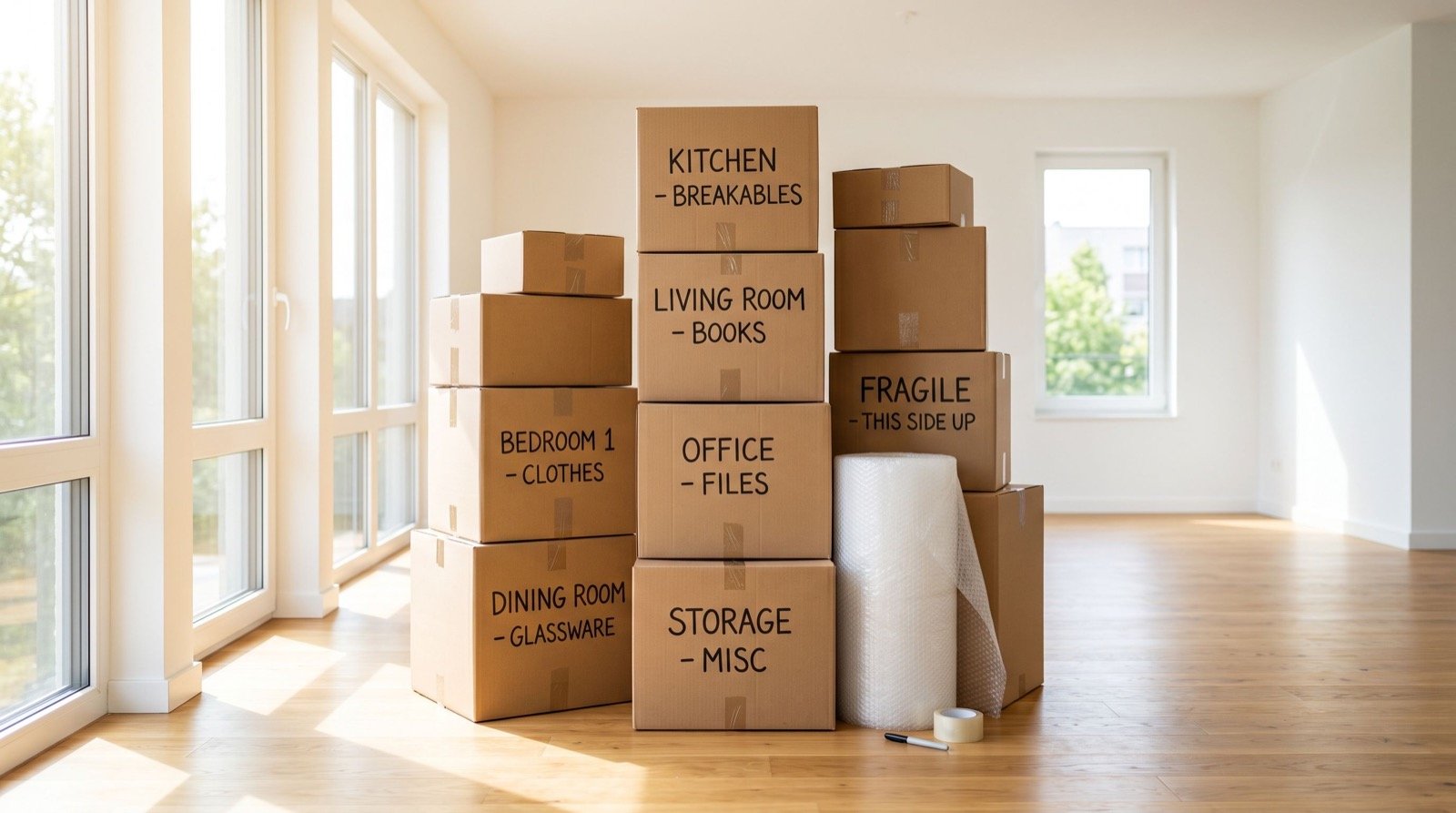
High-rise moves add handling steps that ground-floor moves skip entirely — every item passes through at least one lift transfer and often a long interior corridor. Pack electronics in their original boxes where possible, and label boxes by room so the unloading crew can place them directly rather than creating a pile that needs re-sorting later.
- Use uniform box sizes — irregular shapes slow down lift loading significantly.
- Disassemble large furniture (bed frames, wardrobes) before move day rather than asking the crew to do it inside a cramped lift lobby.
- Keep a “first box” with essentials (chargers, documents, basic kitchen items) separate so it’s the first thing off the truck.
- Confirm your new unit’s lift booking before the old one, so there’s no gap mid-transfer.
If you’re setting up other services around your move-in date, it’s worth researching reliable local experts early, since good providers in any busy relocation season book out quickly once demand picks up.
What to Do If Your Freight Lift Booking Falls Through
Even with advance booking, freight-lift slots occasionally get bumped by building management for maintenance or an emergency. Having a backup plan matters: ask your mover whether they can shift the loading sequence to start with items that don’t require the lift (anything that fits via stairs or a smaller service entrance) while the lift issue gets resolved, rather than having the whole crew stand idle.
It also helps to have the building management office’s direct contact saved rather than relying solely on the concierge desk, since concierge staff often can’t resolve lift-booking conflicts themselves and simply relay messages, adding delay at the exact moment you need a fast answer.
Weekday vs Weekend JLT Moves
Weekday moves in JLT generally go faster simply because fewer residents are moving at the same time, which means less competition for the same freight lift and loading bay. If your schedule allows flexibility, a Tuesday or Wednesday move often avoids the Friday-Saturday congestion that’s common across the whole cluster.
Frequently Asked Questions
How far ahead should I book a freight lift in JLT?
At least 48 hours, and up to a week ahead during September–November and February–April when relocation demand in Dubai peaks.
Can movers access every JLT cluster the same way?
No — access, parking, and lift-wait times vary noticeably by cluster, which is why tower-specific experience genuinely matters.
What’s the biggest delay risk in a JLT move?
Missing or mistiming the freight-lift booking. It’s the single most common reason JLT moves run long.
Do JLT towers allow weekend moves?
Most do, though some management offices run reduced staff on Fridays, which can slow down on-the-spot approvals.
A JLT move in 2026 runs smoothly when the freight-lift booking and cluster-specific access rules are handled before move day, not during it. Plan the paperwork early, pack for lift transfers rather than ground-floor convenience, and choose a crew that already knows your specific cluster’s quirks.